A Data Warehouse Without a Data Team
By Albert Kim, CTO
Published
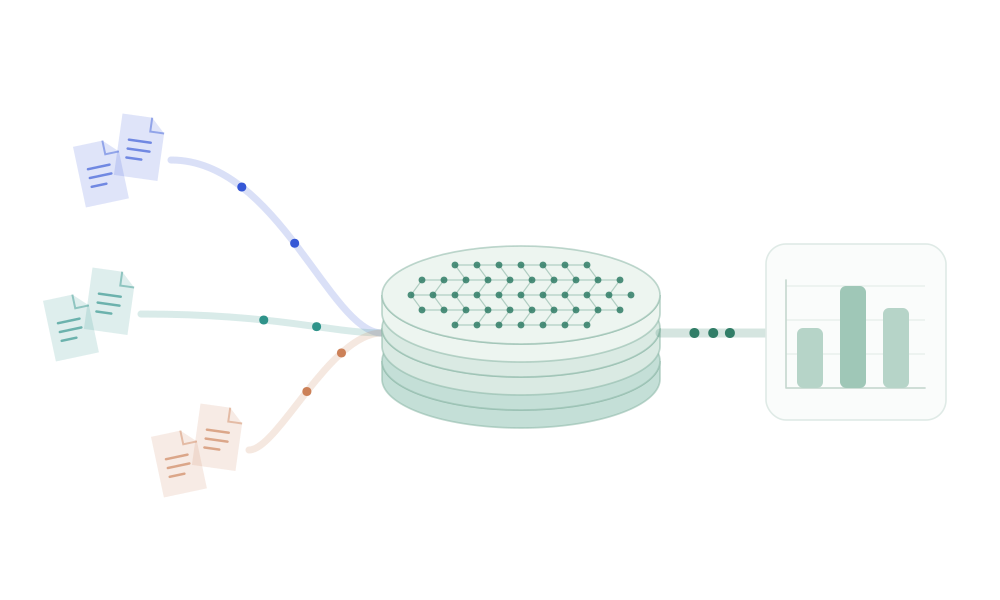
When I talk with self-storage operators, I hear concerns about what their larger competitors know. How are they using data to fill units, set prices and keep customers? How do you keep up when your own team is busy running facilities?
I don’t think the size of your team should determine how well you can understand your business. Hiring a data team may be out of reach. Having the information to compete shouldn’t be.
That’s why we built a data warehouse into StoragePilot’s AI District Manager. Whether you’re investigating slower rentals, growing overdue balances or differences between facilities, we handle the work of bringing the records together.
We take care of the data work
A data warehouse is a central database organized for analysis. Building one means connecting the sources, keeping records updated and defining how they relate to each other. Your customer’s rent today and their rent at move-in answer different questions. The data needs to preserve that distinction.
With your AI District Manager, you connect your FMS and we sync and organize the available unit and lease records, historical rent information and financial snapshots.
We also bring in the data from customer conversations handled through StoragePilot: what people are asking about, how those conversations develop, reservations created and issues escalated to your team. That gives your AI District Manager more to investigate alongside the FMS records. You can look at which support problems keep coming up, how they differ between facilities and where your team is spending time on escalations.
The questions you want to investigate can require combining records, choosing a time window and comparing groups. You can ask your AI District Manager questions such as:
- How long does it typically take to find a new tenant for our 5×10 climate-controlled units?
- What support issues are getting escalated most often?
- Of the sales leads we received last quarter, how many became rentals within 30 days, and how did that conversion rate vary by facility?
- How many tenants received a rent increase between May 12 and July 23, 2025, broken down by unit size?
- For that same period, how do 60-day move-out rates compare for tenants who received increases of 10% or more versus those who received no increase, by unit size?
We maintain that infrastructure because it makes useful analysis possible. A manager or owner should be able to spend their time deciding what to investigate and what to do about it.
Give agents an interface they know how to use
We chose SQL because AI agents already know how to work with it. With a predefined reporting API, an agent can request the reports and parameters that API exposes. A SQL interface lets it construct the analysis itself: inspect the schema, join records, calculate metrics and return the detail needed for a table, chart or further analysis.
We give agents the context to understand how the data is organized and what it means. Your own compatible agents connect through MCP. You can also export your data to use outside StoragePilot.
We’re building StoragePilot to support a business from the front desk to the boardroom. For managers and owners, that means being able to investigate facility performance, understand recurring customer problems and decide where the team needs support. We want smaller operators to have those capabilities with the team they already have.
Book a demo to see StoragePilot in action. Bring a question about your business, and we’ll explore how it can help you find the answer.